


BLOG - Page 8
Recently created mixtures:

Sea-Buckthorn Macerated oil
February 7, 2019

Home made air freshener
June 29, 2016
Homemade Dog-rose distillate
June 28, 2016

Homemade jasmine distillate
June 22, 2016
Moxibustion treatment with Moxa stick
May 30, 2016
Face and body gentle oil cleanser
May 26, 2016
BLOG / LATEST ADDITIONS!
Omani Frankincense Resin (Boswellia Sacra) ☸ Ingredients ☸ Medicine / Health
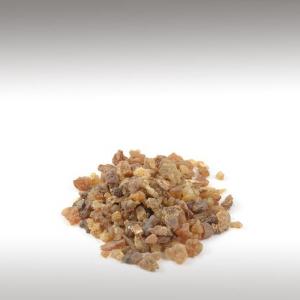
Main qualities of Frankincense resin and essential oil:
Support immune system;
Prevent bacterial invasion;
Prevents fungal dissemination and grow;
Prevents viral invasion;
Has like antiseptic activity;
Balance immune system and act as a anti-inflammatory,
Helps heal wounds and scars.
According ancient sources, Frankincense has a lot of healing qualities, so it can be called Panacea for every disease: starting from cold, ending at cancer.
When chewing Frankincense Resin or drinking its water, helps to concentrate, focus when doing mental activity or work, and at the same time remove stress and unnecessary thoughts flow.
In Oman people add small Frankincense piece in a glass or bottle of water for the night, and in the morning, they drink it. According to century old experience, Frankincense Resin not only helps to improve digestion, but increases immunity to various diseases, improves memory and concentration, improves the beauty of the skin.
In Oman people add small Frankincense piece in a glass or bottle of water for the night, and in the morning, they drink it. According to century old experience, Frankincense Resin not only helps to improve digestion, but increases immunity to various diseases, improves memory and concentration, improves the beauty of the skin.
The smoke of burning resin is a traditional remedy for headaches.
Light exposition to Frankincense smoke helps to soothe tired and irritated eyes.
The smoke of burning resin is a traditional remedy for headaches.
Traditionally, the smoke of Frankincense incense is inhaled to relieve the symptoms of cold. It is a great support for respiratory system.
Frankincense has anti-inflammatory effects that may help reduce joint inflammation caused by osteoarthritis and rheumatoid arthritis.
Researchers believe that Frankincense can prevent the release of leukotrienes, which are compounds that can cause inflammation.
Terpenes and boswellic acids appear to be the strongest anti-inflammatory compounds in Frankincense.
In humans, Erankincense extracts may help reduce symptoms of osteoarthritis and rheumatoid arthritis.
The boswellic acids it contains might prevent cancer cells from spreading.
Submitted by OperaDreamhouse (January 17, 2020)
Omani Frankincense Resin (Boswellia Sacra) ☸ Ingredients ☸ Beauty / Cosmetics
People in middle east scent their clothes and home with Frankincense Resin, incense is obligatory in marriage and traditional ceremonies.
Women use incense as a home perfume. Traditional women wouldn’t even go out of the house or back without standing above burning incense or resin for a while. In that way they perfume their body, hair and clothes and clean.
The smoke of incense is also used as a cosmetic for smooth skin, keep youthful and beautiful look. Instead of applying cream they just keep their face in the incense smoke.
Women use incense as a home perfume. Traditional women wouldn’t even go out of the house or back without standing above burning incense or resin for a while. In that way they perfume their body, hair and clothes and clean.
The smoke of incense is also used as a cosmetic for smooth skin, keep youthful and beautiful look. Instead of applying cream they just keep their face in the incense smoke.
Submitted by OperaDreamhouse (January 17, 2020)
Pomegranate Seed Oil (Punica Granatum) ☸ Base oils ☸ Medicine / Health
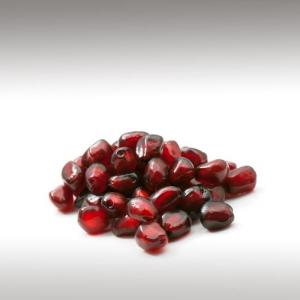 Research has shown that
Pomegranate Seed oil can have a notable effect on insulin resistance,
which is very good news for someone who is struggling with diabetes
or at high risk of developing that condition.
Research has shown that
Pomegranate Seed oil can have a notable effect on insulin resistance,
which is very good news for someone who is struggling with diabetes
or at high risk of developing that condition.This oil effective for protecting the immune activity on the skin, preventing many of the airborne pathogens from taking hold on the body’s largest organ.
According to a 2017 study published in the Molecules journal, Punicic acid, the primary active ingredient in Pomegranate Seed oil, as well as conjugated Linoleic acid has anti-proliferative effects on breast cancer.
Another review article published in the Evidence-Based Complementary and Alternative Medicine stated that Pomegranate and its products have anticarcinogenic effects against prostate cancer (Punicic acid).
Pomegranate Seed oil contains a magical compound, a new essential fatty acid to know about - Punicic acid. It’s also called omega 5 and it has been found to reduce inflammation, fend off free radicals and show cancer-fighting abilities. It also helps thicken skin and improve elasticity making it useful for scarring.
Submitted by OperaDreamhouse (August 14, 2019)
Pomegranate Seed Oil (Punica Granatum) ☸ Base oils ☸ Beauty / Cosmetics
The antioxidant
phytochemicals and vitamins found in Pomegranate seed oil can help reduce
signs of premature aging, improve collagen formation, and neutralize
free radicals that cause oxidative stress in the skin. Using this oil topically on the face can help to clear up signs of pimples and acne. The antibacterial and antioxidant effects of Pomegranate Seed oil can help eliminate the bacteria that causes acne and also rebalance oil levels on the skin.
It also helps unclog pores on the face to help in relieve the symptoms of acne. It also assists with unclogging scalp pores to promote hair growth.
The natural antioxidants present in Pomegranate Seed oil help to protect the skin from the harmful free radicals, aid in regulating the production of sebum and help treat hormonal imbalances in the body which consequently help in treating and preventing acne while the moisturizing effect of this nutrient-rich oil revitalizes and rejuvenates the skin to help it look smooth, soft and flawless.
Pomegranate Seed oil contains a form of Pro-estrogen, which is compatible with your natural hormones, and its hormone supporting and balancing effect has an amazing effect on skin texture.
This oil is extremely concentrated, so only a very small amount is required for the effects to be felt. The many benefits of the oil come from its high levels of Punicic acid, Vitamin C, Flavonoids, Linoleic acid, and Oleic acid, among various other active components.
This oil helps to treat skin problems like eczema, psoriasis and sunburns. Its potent healing qualities are helpful in repairing wounds, cuts, pimples, cracks and other break outs on the skin without leaving any scars or marks behind.
Submitted by OperaDreamhouse (August 14, 2019)
Cornflower Distillate (Centaurea Cyanus) ☸ Herbal distillates ☸ Base / General
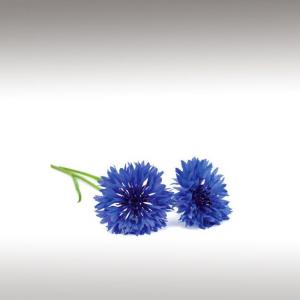

Cornflower often grew as a weed in cornfields (in the broad sense of "corn", referring to grains, such as wheat, barley, rye, or oats). The edible flower of the Cornflower can be used for culinary decoration, for example to add colour to salads. Cornflowers have been used historically for their blue pigment. Cornflowers are often used as an ingredient in some tea blends and herbal teas.
The Hydrosol has a pleasant, delicate, fruity, floral, green, herbal aroma. Almost a kilo of fresh flowers are needed to produce a bottle of Cornflower Floral Water.
Submitted by OperaDreamhouse (March 21, 2019)
Cornflower Distillate (Centaurea Cyanus) ☸ Herbal distillates ☸ Beauty / Cosmetics
Cornflower Water is used for sensitive, dry and mature skin, especially for reddened skin. It intensively moisturizes the skin, contains anti-inflammatory properties, helps soothe and cool tired, swollen, itchy eyes.
Cornflower Water can also be used to heal bumps and bruises.
Submitted by OperaDreamhouse (March 21, 2019)
Cornflower Distillate (Centaurea Cyanus) ☸ Herbal distillates ☸ Medicine / Health
Cornflower Hydrolate has truly wonderful soothing and cooling properties.
Cornflower Water is renowned for its therapeutic properties, particularly as an eye treatment.
Long in the past, it was said that cornflower was a remedy for blue eyes. Cornflower floral water is mainly known for its decongesting and soothing effect on tired, swollen or irritated eyes. However, its soothing action also relieves and attenuates minor cutaneous irritations by regenerating the skin. Its astringent action helps regulate sebum secretion and adds radiance to the complexion.
Submitted by OperaDreamhouse (March 21, 2019)
Chia Seeds (Salvia Hispanica) ☸ Ingredients ☸ Base / General
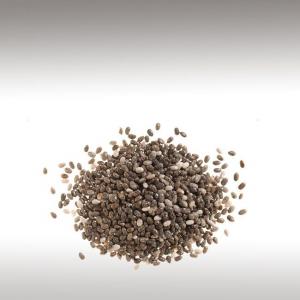
The 16th-century Codex Mendoza provides evidence that Chia Seeds was cultivated by the Aztec in pre-Columbian times, and economic historians say it may have been as important as maize as a food crop. It was given as an annual tribute by the people to the rulers in 21 of the 38 Aztec provincial states.
In nowadays Chia Seeds (grain product, surprisingly) are seeds from the plant Salvia Hispanica that are used for supplemental purposes to supply dietary fiber and fatty acid.
Submitted by OperaDreamhouse (March 6, 2019)
Chia Seeds (Salvia Hispanica) ☸ Ingredients ☸ Food / Cooking

Chia Seeds can be eaten cooked or raw, but they should be added to another food or soaked before eating.
Submitted by OperaDreamhouse (March 6, 2019)
Sesame Seeds (Sesamum Indicum) ☸ Ingredients ☸ Base / General
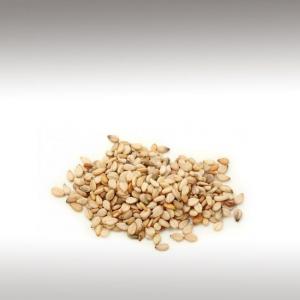
Sesame Seed is considered to be the oldest oilseed crop known to humanity.
The genus has many species, and most are wild. Most wild species of the genus Sesamum are native to sub-Saharan Africa. Sesamum Indicum, the cultivated type, originated in India.
The historic origin of Sesame was favored by its ability to grow in areas that do not support the growth of other crops. It is also a robust crop that needs little farming support - it grows in drought conditions, in high heat.
In myths, the opening of the capsule releases the treasure of Sesame Seeds, as applied in the story of "Ali Baba and the Forty Thieves" when the phrase "Open Sesame" magically opens a sealed cave. Upon ripening, sesame seeds split, releasing a pop and possibly indicating the origin of this phrase.
Submitted by OperaDreamhouse (March 6, 2019)
Flax Seeds (Linum usitatissimum) ☸ Ingredients ☸ Base / General
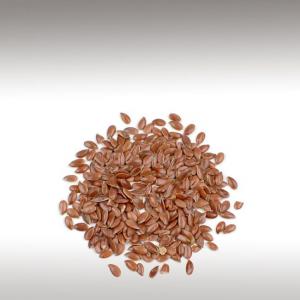
Grown since the beginning of civilization, Flax Seeds are one of the oldest crops. There are two types, brown and golden, which are equally nutritious. Flax Seeds produce a vegetable oil known as Flax Seed oil or Linseed oil, which is one of the oldest commercial oils.
Long before flaxseed was the superseed we know it as today, it was primarily used to create textiles. These days, of course, it’s considered a staple in the nutrition world and is known for being an excellent source of healthy omega-3 fatty acids and fiber.
Submitted by OperaDreamhouse (March 6, 2019)
Apple Blossoms ☸ Plants ☸ Base / General
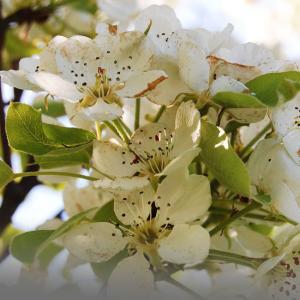
Apple trees are cultivated worldwide and are the most widely grown species in the genus Malus. Apples have been grown for thousands of years in Asia and Europe and were brought to North America by European colonists.
The Apple tree as we know it today was most likely the result of a wild hybridization from species in central Asia. Evidence of the earliest edible Apple was found in the Jordan Valley and dates back to 6,500 B.C. Apple trees thrive in loamy or heavy clay soils with adequate drainage and are most fruitful when planted full sun.
Apple Blossoms are available in the early spring. Visually as a garnish, Apple Blossoms have a delicate and elegant appearance. Their sweet flavor also complements fruits like Lemon, Pear, Apricot and Quince, or other edible aromatic flowers such as Rose, Jasmine, and Elderflower.
Flowers are generally very high in antioxidants and important in ridding the body of free radicals. A tea of dried Apple Blossoms may be consumed as a stress reliever, digestion aid or to clear complexion.
Submitted by OperaDreamhouse (March 6, 2019)
Apple Blossoms ☸ Plants ☸ Medicine / Health
Apple Blossoms are just one of the many flowers that are used in Chinese herbal medicine. There their name is Pin Guo Hua and they are an integral part of maintaining the mind and body balance of Yin and Yang.
Apple Bblossom, probably unsurprisingly, contains Vitamin C, and has been eaten in the past to prevent scurvy. The stems have been used to treat stomach upsets. It has also been reported that they are anti-cancerous.
Submitted by OperaDreamhouse (March 6, 2019)
Chia Seed Oil (Salvia Hispanica) ☸ Base oils ☸ Beauty / Cosmetics
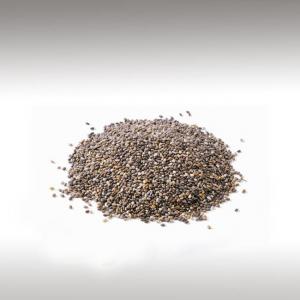
Chia oil contains a significant amount of antioxidants like polyphenols and carotenoids which protect your skin and cells. A good quality Chia oil has highest amounts of essential fatty acids and antioxidants than inferior quality of Chia oil.
This oil is very rich in fatty acids, zinc and vitamin B3. A thin, highly moisturising oil with a silky soft feel. Suitable for all skin types but particularly acne prone, oily or sensitive skin. Very hydrating and fast absorbing.
Chia oil can use for eczema, psoriasis and other inflammatory skin conditions, can help calm rosacea.
Seed oil is a powerful anti-inflammatory agent, it can assist in reducing inflammation. This will clear up blemishes at a faster rate.
This oil is more moisturizing than nourishing, it is perfect anti-aging eye serum, toner and moisturizer. It will actually tone and tighten skin, instead. That’s why some people love applying it on their face right before moisturizing. It has a skin tightening property which prevents under eye bags.
Chia Seed oil is rich in protein and zinc - two minerals that are great for hair health. Protein and zinc assist in the production of new hair cells that boost hair growth.
Also use Chia Seed oil as a cuticle and nail oil for hydrated and healthy-looking cuticles and strong nails.
This oil is very rich in fatty acids, zinc and vitamin B3. A thin, highly moisturising oil with a silky soft feel. Suitable for all skin types but particularly acne prone, oily or sensitive skin. Very hydrating and fast absorbing.
Chia oil can use for eczema, psoriasis and other inflammatory skin conditions, can help calm rosacea.
Seed oil is a powerful anti-inflammatory agent, it can assist in reducing inflammation. This will clear up blemishes at a faster rate.
This oil is more moisturizing than nourishing, it is perfect anti-aging eye serum, toner and moisturizer. It will actually tone and tighten skin, instead. That’s why some people love applying it on their face right before moisturizing. It has a skin tightening property which prevents under eye bags.
Chia Seed oil is rich in protein and zinc - two minerals that are great for hair health. Protein and zinc assist in the production of new hair cells that boost hair growth.
Also use Chia Seed oil as a cuticle and nail oil for hydrated and healthy-looking cuticles and strong nails.
Submitted by OperaDreamhouse (January 10, 2019)
Chia Seed Oil (Salvia Hispanica) ☸ Base oils ☸ Base / General
Chia is the edible seed of Salvia Hispanica, a flowering plant in the mint family (Lamiaceae) native to Central America.
There is evidence the crop was widely cultivated by the Aztecs in pre-Columbian times and was a staple food for Mesoamerican cultures.
There is evidence the crop was widely cultivated by the Aztecs in pre-Columbian times and was a staple food for Mesoamerican cultures.
The 16th-century Codex Mendoza provides evidence that it was cultivated by the Aztec in pre-Columbian times, and economic historians say it may have been as important as maize as a food crop. Offerings to the Aztec priesthood were often paid in Chia Seed.
Chia Seed oil is a nutrient-rich oil with a golden color. It has a mild, clean, nutty flavor. This oil has a thin and light consistency, much like Grapeseed oil.
Chemical structure:
5% - 8% - Palmitic fatty acid
1% - 4% - Stearic fatty acid
6% - Oleic fatty acid (Omega - 9)
17% - Linoleic acid (Omega - 6)
57% - Alpha - Linolenic fatty acid (Omega - 3)
4132 ppm - Phytosterols (Beta-Sitosterol at around 49%, Stigmasterol at around 30%)
446ppm - Tocopherols
Chia Seed oil is a moderately rich oil with omega - 3 (Alpha-linolenic) and omega - 6 (Linoleic) fatty acids which typically contains more than 50% Alpha-linolenic acid. Linolenic acid is a skin conditioning and restorative fatty acid that helps speed up skins healing process, reduces trans-epidermal water loss and reduces flaking and dryness for all skin types. That's way this oil is more moisturizing than nourishing.
B-vitamins
Caffeic acid
Calcium
Carotenoids
Chlorogenic acid
Iron
Magnesium
Manganese
Oleic acid
Polyphenols
Zinc
Self live: 1 year
Chia Seed oil is a nutrient-rich oil with a golden color. It has a mild, clean, nutty flavor. This oil has a thin and light consistency, much like Grapeseed oil.
Chemical structure:
5% - 8% - Palmitic fatty acid
1% - 4% - Stearic fatty acid
6% - Oleic fatty acid (Omega - 9)
17% - Linoleic acid (Omega - 6)
57% - Alpha - Linolenic fatty acid (Omega - 3)
4132 ppm - Phytosterols (Beta-Sitosterol at around 49%, Stigmasterol at around 30%)
446ppm - Tocopherols
Chia Seed oil is a moderately rich oil with omega - 3 (Alpha-linolenic) and omega - 6 (Linoleic) fatty acids which typically contains more than 50% Alpha-linolenic acid. Linolenic acid is a skin conditioning and restorative fatty acid that helps speed up skins healing process, reduces trans-epidermal water loss and reduces flaking and dryness for all skin types. That's way this oil is more moisturizing than nourishing.
B-vitamins
Caffeic acid
Calcium
Carotenoids
Chlorogenic acid
Iron
Magnesium
Manganese
Oleic acid
Polyphenols
Zinc
Self live: 1 year
Submitted by OperaDreamhouse (January 9, 2019)
Page 8 of 48