


BLOG - Page 25
Recently created mixtures:

Sea-Buckthorn Macerated oil
February 7, 2019

Home made air freshener
June 29, 2016
Homemade Dog-rose distillate
June 28, 2016

Homemade jasmine distillate
June 22, 2016
Moxibustion treatment with Moxa stick
May 30, 2016
Face and body gentle oil cleanser
May 26, 2016
BLOG / LATEST ADDITIONS!
Geranium Essential Oil (Pelargonium Graveolens) ☸ Essential oils ☸ Base / General

Botanical Name: Pelargonium graveolens
Common Method of Extraction: Steam distillation
Part Typically Used: Flowers, leaves
Color: Ranges in Color From Clear to Amber
Consistency: Thin
Perfumery Note: Middle
Strength of Initial Aroma: Floral, fresh, sweet, with a fruity note.
Common names include Rose Geranium, Old Fashion Rose Geranium, and Rose-Scent Geranium. Pelargonium Graveolens is also known by taxonomic synonyms "Geranium Terebinthinaceum Cav."
The true Pelargonium Graveolens is an uncommon species in the Pelargonium genus, which is native to South Africa, Zimbabwe and Mozambique. Plants sometimes cultivated under this name and also as Pelargonium "Graveolens" differ from wild specimens and are of hybrid origin.
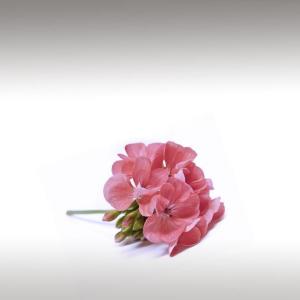
Geranium is a perennial shrub with pointy, serrated leaves and small, pink, aromatic flowers. Like Rose, there are many species and cultivars of Geranium (in a variety of colors) but Pelargonium Graveolens is generally the species used for aromatherapy purposes.
Pelargonium Graveolens cultivars have a wide variety of smells, including Rose, Citrus, Mint, Coconut and Nutmeg, as well as various fruits. However, the most commercially important varieties are those with Rose scents.
Rose Geranium has a Rose - like aroma and, as an essential oil in aromatherapy, it is often used to either adulterate rose oil or as a substitute for Rose oil. However, both plants are botanically different.
There are about 700 different varieties of the plant, yet only 10 supply essential oil in viable quantities, as the normal garden geranium produce far too little oil for extraction.
Pelargonium is a Greek word derived from Palargos meaning "Stork". The French Chemist Recluz was the first to distil the leaves of Geranium in 1819.
Pelargonium Graveolens is native to South Africa. During the 17th century, it was introduced to Europe and is now cultivated in such areas such as Spain, Italy and France due to it's fragrance which is sold commercially.
Chemical structure:
The essential oil is composed of various chemical constituentsand includes a-pinene, myrcene, limonene, menthone, linalool, geranyl acetate, citronellol, geraniol and geranyl butyrate.
A modern analysis listed the presence of over 50 organic compounds in the essential oil of Pelargonium Graveolens from an Australian source. Analyses of Indian Geranium oils indicated a similar phytochemical profile, and showed that the major constituents (in terms of % composition) were citronellol + nerol and geraniol.
Common Method of Extraction: Steam distillation
Part Typically Used: Flowers, leaves
Color: Ranges in Color From Clear to Amber
Consistency: Thin
Perfumery Note: Middle
Strength of Initial Aroma: Floral, fresh, sweet, with a fruity note.
Common names include Rose Geranium, Old Fashion Rose Geranium, and Rose-Scent Geranium. Pelargonium Graveolens is also known by taxonomic synonyms "Geranium Terebinthinaceum Cav."
The true Pelargonium Graveolens is an uncommon species in the Pelargonium genus, which is native to South Africa, Zimbabwe and Mozambique. Plants sometimes cultivated under this name and also as Pelargonium "Graveolens" differ from wild specimens and are of hybrid origin.
Geranium is a perennial shrub with pointy, serrated leaves and small, pink, aromatic flowers. Like Rose, there are many species and cultivars of Geranium (in a variety of colors) but Pelargonium Graveolens is generally the species used for aromatherapy purposes.
Pelargonium Graveolens cultivars have a wide variety of smells, including Rose, Citrus, Mint, Coconut and Nutmeg, as well as various fruits. However, the most commercially important varieties are those with Rose scents.
Rose Geranium has a Rose - like aroma and, as an essential oil in aromatherapy, it is often used to either adulterate rose oil or as a substitute for Rose oil. However, both plants are botanically different.
There are about 700 different varieties of the plant, yet only 10 supply essential oil in viable quantities, as the normal garden geranium produce far too little oil for extraction.
Pelargonium is a Greek word derived from Palargos meaning "Stork". The French Chemist Recluz was the first to distil the leaves of Geranium in 1819.
Pelargonium Graveolens is native to South Africa. During the 17th century, it was introduced to Europe and is now cultivated in such areas such as Spain, Italy and France due to it's fragrance which is sold commercially.
Chemical structure:
The essential oil is composed of various chemical constituentsand includes a-pinene, myrcene, limonene, menthone, linalool, geranyl acetate, citronellol, geraniol and geranyl butyrate.
A modern analysis listed the presence of over 50 organic compounds in the essential oil of Pelargonium Graveolens from an Australian source. Analyses of Indian Geranium oils indicated a similar phytochemical profile, and showed that the major constituents (in terms of % composition) were citronellol + nerol and geraniol.
Submitted by OperaDreamhouse (April 22, 2015)
Lavender Essential Oil (Lavandula Angustifolia) ☸ Essential oils ☸ Base / General
Botanical Name: Lavandula angustifolia
Common Method of Extraction: Steam Distilled
Part Typically Used: Flowers
Color: Clear
Consistency: Thin
Perfumery Note: Middle / Top
Strength of Initial Aroma: Very fine green floral, sweet herbaceous, penetrating, clear and fresh.
The species name Angustifolia is Latin for "Narrow leaf".
Lavandula Angustifolia (Lavender or English Lavender also common Lavender, True Lavender, Narrow - Leaved Lavender), formerly Lavandula Officinalis, is a flowering plant in the family Lamiaceae, native to the western Mediterranean, primarily the Pyrenees and other mountains in northern Spain.
The name is derived from the Latin word "Lavera" which means "To wash" and the Romans used it frequently in their bath routine, and it is said to have been introduced by them into England, where it soon was a firm favorite.
It was a favorite for screwing on the floor, since it released an aroma when walked upon and it is often used these days in toilet water, as an insecticide or in sachets to be placed between linen.
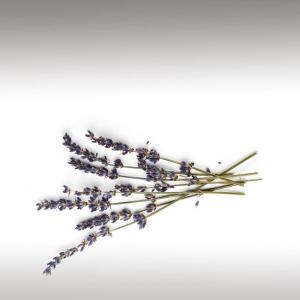
It is a strongly aromatic shrub growing as high as 1 to 2 metres tall. The leaves are evergreen, 2 - 6 centimetres long, and 4 - 6 millimetres broad. The flowers are pinkish - purple (Lavender - coloured), produced on spikes 2 - 8 cm long at the top of slender, leafless stems 10 - 30 cm long.
It is popular for its colourful flowers, its fragrance and its ability to survive with low water consumption. It does not grow well in continuously damp soil. It is fairly tolerant of low temperatures.
Lavandula Angustifolia is the True Lavender. It is produced throughout the world, although France is considered the premier growing region. In the world of essential oils, Lavender is one of the most commonly used due to its versatility and pleasant scent.
Lavender oil is extracted from the flowering tops by steam distillation and yields 1,4 % - 1,6 %.
True Lavender oil, which is obtained by steam distillation of the flowering tops of the plant, is non-toxic and has a full flowery aroma. The Bulgarian grown Lavender has a sweet smell. The aroma of Lavandin is usually more camphoraceous. Tuscan Lavender has a refreshing topnote.
Common Method of Extraction: Steam Distilled
Part Typically Used: Flowers
Color: Clear
Consistency: Thin
Perfumery Note: Middle / Top
Strength of Initial Aroma: Very fine green floral, sweet herbaceous, penetrating, clear and fresh.
The species name Angustifolia is Latin for "Narrow leaf".
Lavandula Angustifolia (Lavender or English Lavender also common Lavender, True Lavender, Narrow - Leaved Lavender), formerly Lavandula Officinalis, is a flowering plant in the family Lamiaceae, native to the western Mediterranean, primarily the Pyrenees and other mountains in northern Spain.
The name is derived from the Latin word "Lavera" which means "To wash" and the Romans used it frequently in their bath routine, and it is said to have been introduced by them into England, where it soon was a firm favorite.
It was a favorite for screwing on the floor, since it released an aroma when walked upon and it is often used these days in toilet water, as an insecticide or in sachets to be placed between linen.
It is a strongly aromatic shrub growing as high as 1 to 2 metres tall. The leaves are evergreen, 2 - 6 centimetres long, and 4 - 6 millimetres broad. The flowers are pinkish - purple (Lavender - coloured), produced on spikes 2 - 8 cm long at the top of slender, leafless stems 10 - 30 cm long.
It is popular for its colourful flowers, its fragrance and its ability to survive with low water consumption. It does not grow well in continuously damp soil. It is fairly tolerant of low temperatures.
Lavandula Angustifolia is the True Lavender. It is produced throughout the world, although France is considered the premier growing region. In the world of essential oils, Lavender is one of the most commonly used due to its versatility and pleasant scent.
Lavender oil is extracted from the flowering tops by steam distillation and yields 1,4 % - 1,6 %.
True Lavender oil, which is obtained by steam distillation of the flowering tops of the plant, is non-toxic and has a full flowery aroma. The Bulgarian grown Lavender has a sweet smell. The aroma of Lavandin is usually more camphoraceous. Tuscan Lavender has a refreshing topnote.
Submitted by OperaDreamhouse (April 22, 2015)
Peppermint Essential Oil (Mentha x Piperita) ☸ Essential oils ☸ Base / General
Botanical Name: Mentha x piperita
Common Method of Extraction: Steam Distilled
Part Typically Used: Leaves and Flowers/Buds
Color: Clear with a Yellow Tinge
Consistency: Thin
Perfumery Note: Top
Strength of Initial Aroma: Minty, strong, reminiscent of peppermint candies, but more concentrated. More fragrant than spearmint. Fresh, very minty, hot, herbaceous, with a vegetative back note.
Note: If you find Peppermint oil to be a bit too intense, you may enjoy working with Spearmint oil.
Peppermint (Mentha × Piperita, also known as Mentha Balsamea Willd) is a Hybrid mint, a cross between Watermint and Spearmint. The plant, indigenous to Europe and the Middle East, is now widespread in cultivation in many regions of the world.
Peppermint is a fast-growing plant, once it sprouts, it spreads very quickly. Being a hybrid, it is usually sterile, producing no seeds and reproducing only vegetatively, spreading by itsrhizomes. If placed, it can grow anywhere, with a few exceptions.
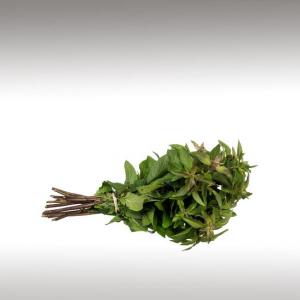
It is a perennial plant growing to 30 - 90 cm tall, with smooth stems, square in cross section. The leaves are from 4 - 9 cm long and 1,5 - 4 cmbroad, dark green with reddish veins, and with an acute apex and coarsely toothed margins. The leaves and stems are usually slightly fuzzy. The flowers are purple, 6 - 8 mm long, with a four - lobed corolla about 5 mm diameter. Flowering is from mid to late summer.
Peppermint Latin name, Mentha Piperita, comes from the Greek Mentha, the name of a mythical nymph thought to have metamorphosed into the plant, and the Latin Piper, meaning Pepper.
MenthaPpiperita has been found in Egyptian tombs dating back to 1000 B.C. and there is evidence that Peppermint has a long history in Europe, China, and Japan.
It is one of the world’s oldest medicinal herbs, and is used in both Eastern and Western traditions. Ancient Greek, Roman and Egyptian cultures used the herb in cooking and medicine.
Peppermint is currently one of the most economically important aromatic and medicinal crops produced in the U.S. The world production of Peppermint oil is about 8000 tons per year 1.
Chemical structure:
Peppermint has a high menthol content. The oil also contains menthone and menthyl esters, particularly menthyl acetate.
Dried Peppermint typically has 0,3 - 0,4% of volatile oil containing menthol (7 - 48%), menthone (20 - 46%), menthyl acetate (3 - 10%), menthofuran (1 - 17%) and 1,8-cineole (3 - 6%). Peppermint oil also contains small amounts of many additional compounds including limonene, pulegone, caryophyllene and pinene.
Menthol is the primary component of the essential oil of Peppermint. It occurs naturally as a colorless crystal or powder. Menthol is mostly responsible for the spasmolytic nature of peppermint.
Peppermint also contains terpenoids and flavonoids such as eriocitrin, hesperidin and kaempferol 7 - O-rutinoside.
Mild climate stress in the growing conditions of the plant increases the oil content and sesquiterpene levels in the oil.
Common Method of Extraction: Steam Distilled
Part Typically Used: Leaves and Flowers/Buds
Color: Clear with a Yellow Tinge
Consistency: Thin
Perfumery Note: Top
Strength of Initial Aroma: Minty, strong, reminiscent of peppermint candies, but more concentrated. More fragrant than spearmint. Fresh, very minty, hot, herbaceous, with a vegetative back note.
Note: If you find Peppermint oil to be a bit too intense, you may enjoy working with Spearmint oil.
Peppermint (Mentha × Piperita, also known as Mentha Balsamea Willd) is a Hybrid mint, a cross between Watermint and Spearmint. The plant, indigenous to Europe and the Middle East, is now widespread in cultivation in many regions of the world.
Peppermint is a fast-growing plant, once it sprouts, it spreads very quickly. Being a hybrid, it is usually sterile, producing no seeds and reproducing only vegetatively, spreading by itsrhizomes. If placed, it can grow anywhere, with a few exceptions.
It is a perennial plant growing to 30 - 90 cm tall, with smooth stems, square in cross section. The leaves are from 4 - 9 cm long and 1,5 - 4 cmbroad, dark green with reddish veins, and with an acute apex and coarsely toothed margins. The leaves and stems are usually slightly fuzzy. The flowers are purple, 6 - 8 mm long, with a four - lobed corolla about 5 mm diameter. Flowering is from mid to late summer.
Peppermint Latin name, Mentha Piperita, comes from the Greek Mentha, the name of a mythical nymph thought to have metamorphosed into the plant, and the Latin Piper, meaning Pepper.
MenthaPpiperita has been found in Egyptian tombs dating back to 1000 B.C. and there is evidence that Peppermint has a long history in Europe, China, and Japan.
It is one of the world’s oldest medicinal herbs, and is used in both Eastern and Western traditions. Ancient Greek, Roman and Egyptian cultures used the herb in cooking and medicine.
Peppermint is currently one of the most economically important aromatic and medicinal crops produced in the U.S. The world production of Peppermint oil is about 8000 tons per year 1.
Chemical structure:
Peppermint has a high menthol content. The oil also contains menthone and menthyl esters, particularly menthyl acetate.
Dried Peppermint typically has 0,3 - 0,4% of volatile oil containing menthol (7 - 48%), menthone (20 - 46%), menthyl acetate (3 - 10%), menthofuran (1 - 17%) and 1,8-cineole (3 - 6%). Peppermint oil also contains small amounts of many additional compounds including limonene, pulegone, caryophyllene and pinene.
Menthol is the primary component of the essential oil of Peppermint. It occurs naturally as a colorless crystal or powder. Menthol is mostly responsible for the spasmolytic nature of peppermint.
Peppermint also contains terpenoids and flavonoids such as eriocitrin, hesperidin and kaempferol 7 - O-rutinoside.
Mild climate stress in the growing conditions of the plant increases the oil content and sesquiterpene levels in the oil.
Submitted by OperaDreamhouse (April 20, 2015)
Peppermint Essential Oil (Mentha x Piperita) ☸ Essential oils ☸ Medicine / Health
Contraindications: Inhalation of large doses of menthol may lead to dizziness, confusion, muscle weakness, nausea and double vision.
Children: Peppermint oil is linked to causing seizures in children. Avoid dermal use on children under 6 years. Do not apply undiluted Peppermint essential oils to the feet, particularly on infants and children under the age of 12.
For more than 100 years, physicians have understood the importance of this, and have used pure Peppermint in the treatment of nasal congestion and sinusitis.
Children: Peppermint oil is linked to causing seizures in children. Avoid dermal use on children under 6 years. Do not apply undiluted Peppermint essential oils to the feet, particularly on infants and children under the age of 12.
For more than 100 years, physicians have understood the importance of this, and have used pure Peppermint in the treatment of nasal congestion and sinusitis.
Submitted by OperaDreamhouse (April 20, 2015)
Peppermint Essential Oil (Mentha x Piperita) ☸ Essential oils ☸ Spiritual Practises
Adding a few drops of Peppermint to a massage oil or lotion and rubbed on after a Yoga session or enthusiastic hike can do wonders for restoring feelings of comfort and ease.
Peppermint powerfully sharpens mental focus by removing dull and hazy feelings.
As a cooling oil, Peppermint is also extremely effective for taking the edge off of tension. Peppermint's cool and clearing nature makes it ideal for stimulating mental agility and improving concentration for the tasks at hand. It is also effective against worry, grief and heaviness.
Peppermint powerfully sharpens mental focus by removing dull and hazy feelings.
As a cooling oil, Peppermint is also extremely effective for taking the edge off of tension. Peppermint's cool and clearing nature makes it ideal for stimulating mental agility and improving concentration for the tasks at hand. It is also effective against worry, grief and heaviness.
Submitted by OperaDreamhouse (April 20, 2015)
St Johns Wort Essential Oil (Hypericum Perforatum) ☸ Essential oils ☸ Base / General
Botanical Name: Hypericum perforatum
Common Method of Extraction: Steam distilled
Part Typically Used: Flowers
Color: Pale yellow
Consistency: Thin
Perfumery Note: Middle
Strength of Initial Aroma: Soft, herbal, balsamic.
Hypericum Perforatum, known as Perforate St John's-Wort, Common Saint John's Wort and St John's Wort is a flowering plant of the genus Hypericum. Hypericum Perforatum is indigenous to Europe but has spread worldwide as an invasive species, including to temperate and subtropical regions of Turkey, Ukraine, Russia, the Middle East, India, Canada, the United States and China.
The herbs common name comes from its traditional flowering and harvesting on St John's day, 24 June. The genus name Hypericum is derived from the Greek words Hyper (Above) and Eikon (Picture), in reference to the plant's traditional use in warding off evil by hanging plants over a religious icon in the house during St John's day. The species name perforatum refers to the presence of small oil glands in the leaves that look like windows, which can be seen when they are held against the light.
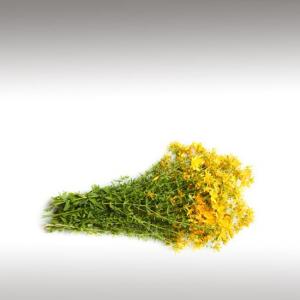
St John's Wort is a perennial plant with extensive, creeping rhizomes. Its stems are erect, branched in the upper section, and can grow to 1 m high. Its flowers measure up to 2,5 cm across, have five petals, and are colored bright yellow with conspicuous black dots. The flowers appear in broad cymes at the ends of the upper branches, between late spring and early to mid summer.
The flowers and stems of the plant have been used to make red and yellow dyes.
Hypericum species are generally classed as essential oil-poorplants (generally oil yield
Submitted by OperaDreamhouse (April 17, 2015)
Common Method of Extraction: Steam distilled
Part Typically Used: Flowers
Color: Pale yellow
Consistency: Thin
Perfumery Note: Middle
Strength of Initial Aroma: Soft, herbal, balsamic.
Hypericum Perforatum, known as Perforate St John's-Wort, Common Saint John's Wort and St John's Wort is a flowering plant of the genus Hypericum. Hypericum Perforatum is indigenous to Europe but has spread worldwide as an invasive species, including to temperate and subtropical regions of Turkey, Ukraine, Russia, the Middle East, India, Canada, the United States and China.
The herbs common name comes from its traditional flowering and harvesting on St John's day, 24 June. The genus name Hypericum is derived from the Greek words Hyper (Above) and Eikon (Picture), in reference to the plant's traditional use in warding off evil by hanging plants over a religious icon in the house during St John's day. The species name perforatum refers to the presence of small oil glands in the leaves that look like windows, which can be seen when they are held against the light.
St John's Wort is a perennial plant with extensive, creeping rhizomes. Its stems are erect, branched in the upper section, and can grow to 1 m high. Its flowers measure up to 2,5 cm across, have five petals, and are colored bright yellow with conspicuous black dots. The flowers appear in broad cymes at the ends of the upper branches, between late spring and early to mid summer.
The flowers and stems of the plant have been used to make red and yellow dyes.
Hypericum species are generally classed as essential oil-poorplants (generally oil yield
Submitted by OperaDreamhouse (April 17, 2015)
Tuberose Essential Oil (Polianthes Tuberosa) ☸ Essential oils ☸ Base / General
Botanical Name: Polianthes tuberosa
Common Method of Extraction: Solvent extraction
Part Typically Used: Flowers
Color:
Consistency:
Perfumery Note: Top
Strength of Initial Aroma: White floral, camphor, dewy mushroom and earth, buttery, rubbery and even metallic facets.
Tuberose is not a very popular name in the world of herbal medicines. In fact, it is very popular and priced among perfume manufacturers.
Due to this, Tuberose is popularly known as “Night Queen”, “Mistress of the Night”, or “Raat ki Raani”, as it known in Hindi. It grows well in Central America and India and is in high demand in the countries of the Indian Subcontinent, Middle East, and Africa in order to make perfume.
Members of the closely related genus Manfreda are often called "Tuberoses". In the Philippines, the plant is also known as Azucena, and, while once associated with funerals, it is now used in floral arrangements for other occasions.
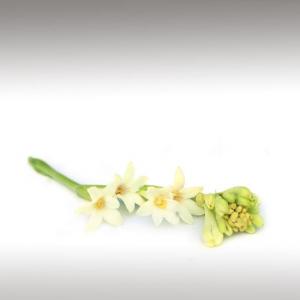
The Tuberose is a night-blooming plant native to Mexico, as is every other known species of Polianthes. It grows in elongated spikes up to 45 cm long that produce clusters of fragrant waxy white flowers that bloom from the bottom towards the top of the spike. It has long, bright green leaves clustered at the base of the plant and smaller, clasping leaves along the stem.
Now It is cultivated all over the world for the cut flower trade, but specially in Egypt, China, France and Morocco for its oil.
The Tuberose (Polianthes Tuberosa) is a perennial plant related to the agaves, extracts of which are used as a note in perfumery. The common name derives from the Latin Tuberosa, meaning swollen or Tuberous in reference to its root system. Polianthes means "Many flowers" in Greek. In Mexican Spanish, the flower is called Nardo or Vara de San José, which means "St. Joseph’s staff".
The Victorians must have been among the latter: they forbade young girls of inhaling the scent of Tuberose in the fear they might have a spontaneous orgasm. Roja Dove is right when he says that Tuberose is really loose, the "Harlot of perfumery".
The natural blossoms are so powerful they can fill a room and continue to exude their scent for days after picking.
Tuberose essential oil behaves as an aphrodisiac and its very strong, intense and intoxicating floral fragrance fills the air and creates an atmosphere of love.
Tuberose essential oil is world famous for its use in perfumes and the rich, intense and long lasting floral fragrance is an ideal choice for a deodorant and that is why it is so popular in the countries with hot and humid climate, as they have to deal with sweat and resultant body odor.
Tuberose enfleurage oil cannot be distilled like most essential oils due to the delicate nature of the flowers. Enfleurage was the traditional method of extraction used in ancient Egypt and into the early 20th century but solvent extraction using hexane, to create “Absolutes”, has virtually replaced enfleurage.
In South America who extracts the essential oil from the flower by the ancient method of enfleurage, using only Palm oil (organic) and Alcohol (organic) derived from local Sugar Cane (organic).
The entire process of extracting the Tuberose oil it done by hand using no heat and no harsh chemical solvents. Pure local Palm oil is used to absorb the aromatic oils from the Tuberose flower petals and once the Palm oil is completely saturated with the essence of the Tuberose flower then the Palm oil is separated from the Tuberose oil by Cane Sugar Alcohol which is then evaporated to leave only the pure Tuberose oil.
Over 3500 pounds of blossoms are needed to produce 1 pound of the essential oil which is why Tuberose enfleurage essential oil is one of the most expensive oils on earth, even more than most Rose Attars.
Chemical structure:
The main chemical components are menthyl benzoate, menthyl anthranilate, benzyl alcohol, butyric acid, eugenol, nerol, farnesol and geraniol.
Common Method of Extraction: Solvent extraction
Part Typically Used: Flowers
Color:
Consistency:
Perfumery Note: Top
Strength of Initial Aroma: White floral, camphor, dewy mushroom and earth, buttery, rubbery and even metallic facets.
Tuberose is not a very popular name in the world of herbal medicines. In fact, it is very popular and priced among perfume manufacturers.
Due to this, Tuberose is popularly known as “Night Queen”, “Mistress of the Night”, or “Raat ki Raani”, as it known in Hindi. It grows well in Central America and India and is in high demand in the countries of the Indian Subcontinent, Middle East, and Africa in order to make perfume.
Members of the closely related genus Manfreda are often called "Tuberoses". In the Philippines, the plant is also known as Azucena, and, while once associated with funerals, it is now used in floral arrangements for other occasions.
The Tuberose is a night-blooming plant native to Mexico, as is every other known species of Polianthes. It grows in elongated spikes up to 45 cm long that produce clusters of fragrant waxy white flowers that bloom from the bottom towards the top of the spike. It has long, bright green leaves clustered at the base of the plant and smaller, clasping leaves along the stem.
Now It is cultivated all over the world for the cut flower trade, but specially in Egypt, China, France and Morocco for its oil.
The Tuberose (Polianthes Tuberosa) is a perennial plant related to the agaves, extracts of which are used as a note in perfumery. The common name derives from the Latin Tuberosa, meaning swollen or Tuberous in reference to its root system. Polianthes means "Many flowers" in Greek. In Mexican Spanish, the flower is called Nardo or Vara de San José, which means "St. Joseph’s staff".
The Victorians must have been among the latter: they forbade young girls of inhaling the scent of Tuberose in the fear they might have a spontaneous orgasm. Roja Dove is right when he says that Tuberose is really loose, the "Harlot of perfumery".
The natural blossoms are so powerful they can fill a room and continue to exude their scent for days after picking.
Tuberose essential oil behaves as an aphrodisiac and its very strong, intense and intoxicating floral fragrance fills the air and creates an atmosphere of love.
Tuberose essential oil is world famous for its use in perfumes and the rich, intense and long lasting floral fragrance is an ideal choice for a deodorant and that is why it is so popular in the countries with hot and humid climate, as they have to deal with sweat and resultant body odor.
Tuberose enfleurage oil cannot be distilled like most essential oils due to the delicate nature of the flowers. Enfleurage was the traditional method of extraction used in ancient Egypt and into the early 20th century but solvent extraction using hexane, to create “Absolutes”, has virtually replaced enfleurage.
In South America who extracts the essential oil from the flower by the ancient method of enfleurage, using only Palm oil (organic) and Alcohol (organic) derived from local Sugar Cane (organic).
The entire process of extracting the Tuberose oil it done by hand using no heat and no harsh chemical solvents. Pure local Palm oil is used to absorb the aromatic oils from the Tuberose flower petals and once the Palm oil is completely saturated with the essence of the Tuberose flower then the Palm oil is separated from the Tuberose oil by Cane Sugar Alcohol which is then evaporated to leave only the pure Tuberose oil.
Over 3500 pounds of blossoms are needed to produce 1 pound of the essential oil which is why Tuberose enfleurage essential oil is one of the most expensive oils on earth, even more than most Rose Attars.
Chemical structure:
The main chemical components are menthyl benzoate, menthyl anthranilate, benzyl alcohol, butyric acid, eugenol, nerol, farnesol and geraniol.
Submitted by OperaDreamhouse (April 17, 2015)
Spearmint Essential Oil (Mentha Spicata) ☸ Essential oils ☸ Base / General
Botanical Name: Mentha spicata
Common Method of Extraction: Steam Distilled
Part Typically Used: Leaves and Flowers/Buds
Color: Clear
Consistency: Thin
Perfumery Note: Top
Strength of Initial Aroma: Minty, slightly fruity aroma that is less bright than peppermint.
It has a similar aroma to that of Peppermint oil, but is slightly sweeter and is pale yellow to greenish in color. Unlike Peppermint, Spearmint does not contain high amounts of Menthol.
Spearmint plants were macerated and added to milk to lengthen the shelf life of milk.
Spearmint or Spear Mint (Mentha Spicata) is a species of mint native to much of Europe and Asia (Middle East, Himalayas, China), and naturalized in parts of northern and western Africa, North and South America, as well as various oceanic islands.
Other common names for Spearmint include Green Mint, Garden Mint, Fish Mint and Our Lady’s Mint.
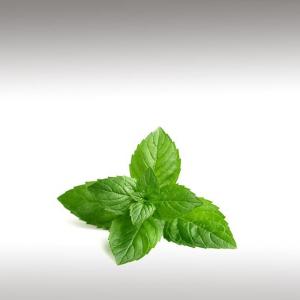
It is aherbaceous, rhizomatous, perennial plant growing 30 - 100 cm tall, with variably hairless to hairy stems and foliage, and a wide - spreading fleshy underground rhizome. The leaves are 5 - 9 cm long and 1,5 - 3 cm broad, with a serrated margin. The stem is square - shaped, a trademark of the mint family of herbs.
Spearmint produces flowers in slender spikes, each flower pink or white, 2,5 - 3 mm long, and broad.
The herb grows easily under fertile, moist and loose soil conditions.
Spearmint oil is extracted by steam distillation. This involves using steam from boiling water to extract the essential oil from the plant. The heat from the steam causes the plant’s cell walls to open allowing the essential oil to be released.
During the Middle Ages, Spearmint leaves were scattered on the floors of public spaces to ward off rodents and to encourage general good health. The herb was also used to heal sore gums and to whiten teeth.
The Spearmint plant is native to Europe, but is now also cultivated across the United States and Asia. The state of Washington is currently one of the world's largest producers of Spearmint oil, whose most common use is as a flavor additive to toothpaste, chewing gums and candy.
Chemical structure:
A major component of the oil is R-carvone, pure R-carvone is sufficient to produce a smell which people identify as a Spearmint smell.
Common Method of Extraction: Steam Distilled
Part Typically Used: Leaves and Flowers/Buds
Color: Clear
Consistency: Thin
Perfumery Note: Top
Strength of Initial Aroma: Minty, slightly fruity aroma that is less bright than peppermint.
It has a similar aroma to that of Peppermint oil, but is slightly sweeter and is pale yellow to greenish in color. Unlike Peppermint, Spearmint does not contain high amounts of Menthol.
Spearmint plants were macerated and added to milk to lengthen the shelf life of milk.
Spearmint or Spear Mint (Mentha Spicata) is a species of mint native to much of Europe and Asia (Middle East, Himalayas, China), and naturalized in parts of northern and western Africa, North and South America, as well as various oceanic islands.
Other common names for Spearmint include Green Mint, Garden Mint, Fish Mint and Our Lady’s Mint.
It is aherbaceous, rhizomatous, perennial plant growing 30 - 100 cm tall, with variably hairless to hairy stems and foliage, and a wide - spreading fleshy underground rhizome. The leaves are 5 - 9 cm long and 1,5 - 3 cm broad, with a serrated margin. The stem is square - shaped, a trademark of the mint family of herbs.
Spearmint produces flowers in slender spikes, each flower pink or white, 2,5 - 3 mm long, and broad.
The herb grows easily under fertile, moist and loose soil conditions.
Spearmint oil is extracted by steam distillation. This involves using steam from boiling water to extract the essential oil from the plant. The heat from the steam causes the plant’s cell walls to open allowing the essential oil to be released.
During the Middle Ages, Spearmint leaves were scattered on the floors of public spaces to ward off rodents and to encourage general good health. The herb was also used to heal sore gums and to whiten teeth.
The Spearmint plant is native to Europe, but is now also cultivated across the United States and Asia. The state of Washington is currently one of the world's largest producers of Spearmint oil, whose most common use is as a flavor additive to toothpaste, chewing gums and candy.
Chemical structure:
A major component of the oil is R-carvone, pure R-carvone is sufficient to produce a smell which people identify as a Spearmint smell.
Submitted by OperaDreamhouse (April 17, 2015)
Petitgrain Essential Oil (Citrus Aurantium) ☸ Essential oils ☸ Base / General
Botanical Name: Citrus aurantium
Common Method of Extraction: Steam distillation
Part Typically Used: Leaves and green twigs
Color: Pale yellow to amber
Consistency: Watery in viscosity
Perfumery Note: Top
Strength of Initial Aroma: Greenish woody orange smell
Though distilled from the same botanical species as Neroli and Bitter Orange, Petitgrain essential oil possesses its own characteristically unique aroma.
Petitgrain essential oil is distilled from the leaves and sometimes the twigs and branches of the tree whereas Neroli essential oil is distilled from the blossoms and Orange essential oil is typically cold pressed from the rinds of the fruits.
Its main regions of production are Paraguay and France, with the former's product being of higher odour tenacity. Petitgrain oil (little grain) gains its name from the fact that it used to be extracted from the small unripe Oranges of the plant.
Thisessential oil is less floral and less citrusy than Neroli or Orange. It has a beautiful, fresh, woody aroma that blends well with the other citrus oils.
Bitter Orange belongs to the Rutaceae family and is believed to have originated in South - East Asia, and spread to North - Eastern India, Burma and China, eventually finding its way via Arab traders to Africa, Arabia and Syria.
From these regions it was taken to the Mediterranean by the Moors and the Crusaders, and by the end of the 12th century it was cultivated in Seville, Spain, thereby leading to the common name for Bitter Oranges "Seville Oranges". This species was also the first "orange" to reach the New World thanks to the second voyage of Christopher Columbus in 1493.
Grasse in the south of France was once well - known for the large quantities of high-quality oil coming from its distilleries. Petitgrain oil was particularly rich in olfactives, and was used for high - quality perfumes and cosmetics of all sorts. The Grasse industry has since diminished, and the main producer now is Paraguay.
Other than in Paraguay, bitter orange trees are cultivated for the production of Petitgrain essential oil in Algeria, Egypt, France, Guinea, Haiti, Italy, Morocco, Spain and Tunisia.
All Citrus oils are very difficult to preserve, so store in dark bottles, cork very carefully, and keep in the dark. Only buy when they are fresh.
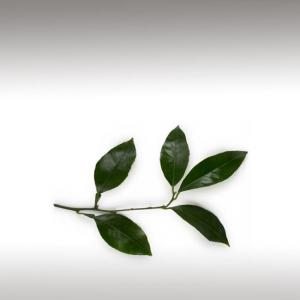
The Bitter Orange tree is a small evergreen that reaches a height of about 3 metres in cultivation, but may attain up to 6 metres when growing in the wild. It has a smooth brown trunk with stout branches, and when compared to the Sweet Orange tree (Citrus Dulcis) it has a tighter crown of leaves and more erect stature. The twigs are flexible with rather blunt thorns, and leaves are broad-ovate, glossy and highly aromatic.The green twigs contain a significant amount of essential oiland it is these, along with the aromatic leaves that are used as the source material for Petitgrain essential oil.
Chemical structure:
The main constituents of Petitgrain oil are geraniol, geranyl acetate, linalool, linalyl acetate, myrcene, nerol, neryl acetate, and terpineol.
Common Method of Extraction: Steam distillation
Part Typically Used: Leaves and green twigs
Color: Pale yellow to amber
Consistency: Watery in viscosity
Perfumery Note: Top
Strength of Initial Aroma: Greenish woody orange smell
Though distilled from the same botanical species as Neroli and Bitter Orange, Petitgrain essential oil possesses its own characteristically unique aroma.
Petitgrain essential oil is distilled from the leaves and sometimes the twigs and branches of the tree whereas Neroli essential oil is distilled from the blossoms and Orange essential oil is typically cold pressed from the rinds of the fruits.
Its main regions of production are Paraguay and France, with the former's product being of higher odour tenacity. Petitgrain oil (little grain) gains its name from the fact that it used to be extracted from the small unripe Oranges of the plant.
Thisessential oil is less floral and less citrusy than Neroli or Orange. It has a beautiful, fresh, woody aroma that blends well with the other citrus oils.
Bitter Orange belongs to the Rutaceae family and is believed to have originated in South - East Asia, and spread to North - Eastern India, Burma and China, eventually finding its way via Arab traders to Africa, Arabia and Syria.
From these regions it was taken to the Mediterranean by the Moors and the Crusaders, and by the end of the 12th century it was cultivated in Seville, Spain, thereby leading to the common name for Bitter Oranges "Seville Oranges". This species was also the first "orange" to reach the New World thanks to the second voyage of Christopher Columbus in 1493.
Grasse in the south of France was once well - known for the large quantities of high-quality oil coming from its distilleries. Petitgrain oil was particularly rich in olfactives, and was used for high - quality perfumes and cosmetics of all sorts. The Grasse industry has since diminished, and the main producer now is Paraguay.
Other than in Paraguay, bitter orange trees are cultivated for the production of Petitgrain essential oil in Algeria, Egypt, France, Guinea, Haiti, Italy, Morocco, Spain and Tunisia.
All Citrus oils are very difficult to preserve, so store in dark bottles, cork very carefully, and keep in the dark. Only buy when they are fresh.
The Bitter Orange tree is a small evergreen that reaches a height of about 3 metres in cultivation, but may attain up to 6 metres when growing in the wild. It has a smooth brown trunk with stout branches, and when compared to the Sweet Orange tree (Citrus Dulcis) it has a tighter crown of leaves and more erect stature. The twigs are flexible with rather blunt thorns, and leaves are broad-ovate, glossy and highly aromatic.The green twigs contain a significant amount of essential oiland it is these, along with the aromatic leaves that are used as the source material for Petitgrain essential oil.
Chemical structure:
The main constituents of Petitgrain oil are geraniol, geranyl acetate, linalool, linalyl acetate, myrcene, nerol, neryl acetate, and terpineol.
Submitted by OperaDreamhouse (April 16, 2015)
Petitgrain Essential Oil (Citrus Aurantium) ☸ Essential oils ☸ Medicine / Health
Children: avoid topical use on children under 2.
Submitted by OperaDreamhouse (April 16, 2015)
Roman Chamomile Essential Oil (Chamaemelum Nobile) ☸ Essential oils ☸ Base / General

Botanical Name: Chamaemelum nobile (or Arthemis nobilis)
Common Method of Extraction: Steam distilled
Part Typically Used: Flowers
Color: Deep ink - blue
Consistency: Thin
Perfumery Note: Middle
Strength of Initial Aroma: Sweet, fruty, apple-like fragrance.
Chamomile is one of the most popular herbs in the Western world. There are two plants known as Chamomile: the more popular German Chamomile (Matricaria Recutita) and Roman, or English Chamomile (Chamaemelum Nobile). Although they belong to different species.
Chamaemelum nobile commonly known as Chamomile Roman, English Chamomile, Garden Chamomile, Ground Apple, Low Chamomile or Whig Plant, is a low perennial plant found in dry fields and around gardens and cultivated grounds in Europe, North America, and in Argentina. Chamaemelum Nobile is, along with Matricaria Chamomilla (Matricaria Recutita), an important source of the herbal product known as Chamomile.
Chamaemelum Nobile has daisy - like white flowers and procumbent stems. The leaves are alternate, pinnate, finely dissected, and downy to glabrous. The solitary, terminal flower heads, rising 8-12 cm. in above the ground, consist of prominent yellow disk flowers and silver - white ray flowers. The flowering time is June and July, and its fragrance is sweet, crisp, fruity and herbaceous.
Its history dates back as far as the ancient Egyptians who dedicated it to their Gods due to its curative properties, particularly when used for the acute fever known at the time as the Ague. Chamomile was also used by the Romans in medicines, beverages and incense.
During the Middle Ages this particular species of chamomile was commonly used as a "strewing" herb which helped to create a fragrant atmosphere at public gatherings and celebrations. When walked upon, theessential oil sacs in the flowers would release their wonderful fragrance into the air.
Depending upon the prevailing weather conditions, harvesting takes place during late June or July. To determine when the time is precisely right for harvesting, a small test distillation must be done every few days so that the resulting oil can be analysed using gas chromatography. If the oil is to meet the desired therapeutic quality for use in aromatherapy, certain constituents within the oil must also be at a particular level within the plant prior to distillation.
Once all the conditions are right, harvesting begins. It can take up to two weeks to cut the Chamomile in all of his fields. After cutting, the crop is allowed to sun - dry for a short period before being steam distilled to extract the beautiful pale blue essential oil. The flowers typically yield between 0,4 and 1,7% of essential oil.
Chemical structure:
Blue Chamomile essential oil has a high content of azulene, the active organic compound of Chamomile, which bears a blue color. Azulene has anti-inflammatory, skin healing properties.
Chamazulene does not show up as a constituent of Roman Chamomile until the distillation process becausechamazulene is bound with glycoside Matricine, which is a sugar molecule that becomes hydrolysed due to the pressure and heat of the steam distillation process of extracting the essential oil. The volatile azulenes become unbound and alpha-bisabolol and chamazulene are then freed and show as newly present constituents of Chamomile oil.
The main chemical components of Roman Chamomile oils are a-pinene, camphene, b-pinene, sabinene, myrcene, 1,8-cineole, y-terpinene, caryophyllene, and propyl angelate and butyl angelate.
Both Chamomile oils are extracted from the flowers by steam distillation, with the Roman Chamomile yielding about 1,7 % from fresh flowers and German Chamomileyielding about 0,2 - 0,4 %.
Common Method of Extraction: Steam distilled
Part Typically Used: Flowers
Color: Deep ink - blue
Consistency: Thin
Perfumery Note: Middle
Strength of Initial Aroma: Sweet, fruty, apple-like fragrance.
Chamomile is one of the most popular herbs in the Western world. There are two plants known as Chamomile: the more popular German Chamomile (Matricaria Recutita) and Roman, or English Chamomile (Chamaemelum Nobile). Although they belong to different species.
Chamaemelum nobile commonly known as Chamomile Roman, English Chamomile, Garden Chamomile, Ground Apple, Low Chamomile or Whig Plant, is a low perennial plant found in dry fields and around gardens and cultivated grounds in Europe, North America, and in Argentina. Chamaemelum Nobile is, along with Matricaria Chamomilla (Matricaria Recutita), an important source of the herbal product known as Chamomile.
Chamaemelum Nobile has daisy - like white flowers and procumbent stems. The leaves are alternate, pinnate, finely dissected, and downy to glabrous. The solitary, terminal flower heads, rising 8-12 cm. in above the ground, consist of prominent yellow disk flowers and silver - white ray flowers. The flowering time is June and July, and its fragrance is sweet, crisp, fruity and herbaceous.
Its history dates back as far as the ancient Egyptians who dedicated it to their Gods due to its curative properties, particularly when used for the acute fever known at the time as the Ague. Chamomile was also used by the Romans in medicines, beverages and incense.
During the Middle Ages this particular species of chamomile was commonly used as a "strewing" herb which helped to create a fragrant atmosphere at public gatherings and celebrations. When walked upon, theessential oil sacs in the flowers would release their wonderful fragrance into the air.
Depending upon the prevailing weather conditions, harvesting takes place during late June or July. To determine when the time is precisely right for harvesting, a small test distillation must be done every few days so that the resulting oil can be analysed using gas chromatography. If the oil is to meet the desired therapeutic quality for use in aromatherapy, certain constituents within the oil must also be at a particular level within the plant prior to distillation.
Once all the conditions are right, harvesting begins. It can take up to two weeks to cut the Chamomile in all of his fields. After cutting, the crop is allowed to sun - dry for a short period before being steam distilled to extract the beautiful pale blue essential oil. The flowers typically yield between 0,4 and 1,7% of essential oil.
Chemical structure:
Blue Chamomile essential oil has a high content of azulene, the active organic compound of Chamomile, which bears a blue color. Azulene has anti-inflammatory, skin healing properties.
Chamazulene does not show up as a constituent of Roman Chamomile until the distillation process becausechamazulene is bound with glycoside Matricine, which is a sugar molecule that becomes hydrolysed due to the pressure and heat of the steam distillation process of extracting the essential oil. The volatile azulenes become unbound and alpha-bisabolol and chamazulene are then freed and show as newly present constituents of Chamomile oil.
The main chemical components of Roman Chamomile oils are a-pinene, camphene, b-pinene, sabinene, myrcene, 1,8-cineole, y-terpinene, caryophyllene, and propyl angelate and butyl angelate.
Both Chamomile oils are extracted from the flowers by steam distillation, with the Roman Chamomile yielding about 1,7 % from fresh flowers and German Chamomileyielding about 0,2 - 0,4 %.
Submitted by OperaDreamhouse (April 16, 2015)
Peru Balsam Essential Oil (Myroxylon Balsamum) ☸ Essential oils ☸ Base / General
Botanical Name: Myroxylon balsamum
Common Method of Extraction: Steam distillation
Part Typically Used: Crude balsam
Color: Deep brown
Consistency: Very thick
Perfumery Note: Base
Peru balsam has a lot of names:
Balsamum peruvianim, Black Balsam, China oil, Honduras Balsam, Indian Balsam, Peruvian Balsam, Peru Balsam, Surinam Balsam, Balsams Peru, Balsam Peru oil, Oil balsam Peru, Peru Balsam oil, Balsamum Peruvianum, Bálsamo del Perú, Baume du Pérou, Baume Péruvien, Baume de San Salvador, Myroxylon pereirae Klotzsch resin, Myroxylon Balsamum var. pereirae, Myroxylon pereirae Klotzsch oil, Myrospermum Pereirae, Myrosperum Pereira Balsam, Balsam fir Oleoresin, balsam fir oil, Hyperabsolute Balsam, Quina, Balsamo, Tolu, Quina quina, Santos Mahogany, Toluifera Pereirae, and Toluifera Pereira Balsam.
Strength of Initial Aroma: Smell like a mixture of Clove, Cinnamon and Vanilla, sweet and spicy.
Balsam of Peru essential oil is distilled from Balsam of Peru, a resinous substance secreted from a tree in Central and South America.
Balsam of Peru, also known and marketed by many other names, is a balsam derived from a tree known as Myroxylon, which is grown in Central America (El Salvador) and South America. It is known by names like Black Balsam, Quina, Tolu, Balsam Fir oil, Balsam Fir oleoresin, Peru Balsam Oil, Indian Balsam, China oil and Balsamo. This essential oil have a unique aromatic combination of sweet and spicy.
The trees are large, growing to 40 metres tall, with evergreen pinnate leaves 15 centimetres long, with 5 - 13 leaflets. The flowers are white with yellow stamens, produced in racemes. The fruit is a pod 7 - 11 centimetres long, containing a single seed. The tree is often called Quina or Balsamo, Tolu in Colombia, Quina quina in Argentina, and sometimes Santos Mahogany or Cabreuva.
The tree contains an oil that is naturally resistant to decaying, and also resistant to preservative treatments. When introduced into tropical regions the tree can become highly invasive. The tree threatens ecology in Sri Lanka, several Pacific Islands, and Indonesia as it tends to grow in dense stands blocking out the ability for other vegetation to grow. This leads to local native plants disappearing and the animals and insects that feed on those plants starve as a result.
The wood is dark brown, with a deep red heartwood. Natural oils grant it excellent decay resistance. In fact, it is also resistant to preservative treatment.
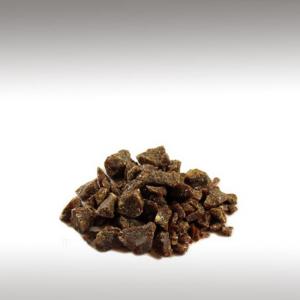
Balsam of Peru is an aromatic viscous resin obtained by scorching or inflicting V - shaped wounds on the bark of the trunk of the tree Myroxylon Balsamum var. Pereirae. In response, the Balsam of Peru - oily, resin - like, aromatic fluid - exudes to heal the tree's lesions, and the liquid is collected.
The essential oil is obtained through steam distillation of the bark of the tree. Another way is essential oil is distilled from the balsam. The resin - free essential oil is obtained from the crude balsam by high vacuum dry distillation. The oil can also be co-distilled from the resin using solvents.
Another way of extracting:
Peru is harvested in successive phases. The bark is burned and these specific spots are covered with pieces of cloth that absorb the exudate. The cloth is then pressed and the balsam is purified by boiling. The trees suffer no permanent damage from this process, and can continue to yield balsam for more than 100 years. Biolandes has established a secure and sustainable supply at the source, importing purified balsam to France where it is processed to produce Peru absolute. Peru production amounts to about 80 tons per year.
In the early period of Spanish dominion in Central and South America the balsam was collected in Central America and shipped to Callao and Lima in Peru, then shipped onward to Europe. It acquired the name of Peru because it was shipped from there. Its export to Europe was first documented in the seventeenth century in the German Pharmacopedia. Today it is extracted under a handicraft process, and is mainly exported from El Salvador.
Chemical structure:
Balsam of Peru smells of Vanilla and Cinnamon because it contains - among its 25 or so different substances - cinnamein, cinnamic acid, cinnamyl cinnamate, benzyl benzoate, benzoic acid, and vanillin.
It also contains cinnamic acid alcohol and aldehyde, farnesol, and nerolidol. A minority of it, approximately 30 - 40%, contains resins or esters of unknown composition. It also contains essential oils similar to those in Citrus fruit peel. These are all potential allergens.
Common Method of Extraction: Steam distillation
Part Typically Used: Crude balsam
Color: Deep brown
Consistency: Very thick
Perfumery Note: Base
Peru balsam has a lot of names:
Balsamum peruvianim, Black Balsam, China oil, Honduras Balsam, Indian Balsam, Peruvian Balsam, Peru Balsam, Surinam Balsam, Balsams Peru, Balsam Peru oil, Oil balsam Peru, Peru Balsam oil, Balsamum Peruvianum, Bálsamo del Perú, Baume du Pérou, Baume Péruvien, Baume de San Salvador, Myroxylon pereirae Klotzsch resin, Myroxylon Balsamum var. pereirae, Myroxylon pereirae Klotzsch oil, Myrospermum Pereirae, Myrosperum Pereira Balsam, Balsam fir Oleoresin, balsam fir oil, Hyperabsolute Balsam, Quina, Balsamo, Tolu, Quina quina, Santos Mahogany, Toluifera Pereirae, and Toluifera Pereira Balsam.
Strength of Initial Aroma: Smell like a mixture of Clove, Cinnamon and Vanilla, sweet and spicy.
Balsam of Peru essential oil is distilled from Balsam of Peru, a resinous substance secreted from a tree in Central and South America.
Balsam of Peru, also known and marketed by many other names, is a balsam derived from a tree known as Myroxylon, which is grown in Central America (El Salvador) and South America. It is known by names like Black Balsam, Quina, Tolu, Balsam Fir oil, Balsam Fir oleoresin, Peru Balsam Oil, Indian Balsam, China oil and Balsamo. This essential oil have a unique aromatic combination of sweet and spicy.
The trees are large, growing to 40 metres tall, with evergreen pinnate leaves 15 centimetres long, with 5 - 13 leaflets. The flowers are white with yellow stamens, produced in racemes. The fruit is a pod 7 - 11 centimetres long, containing a single seed. The tree is often called Quina or Balsamo, Tolu in Colombia, Quina quina in Argentina, and sometimes Santos Mahogany or Cabreuva.
The tree contains an oil that is naturally resistant to decaying, and also resistant to preservative treatments. When introduced into tropical regions the tree can become highly invasive. The tree threatens ecology in Sri Lanka, several Pacific Islands, and Indonesia as it tends to grow in dense stands blocking out the ability for other vegetation to grow. This leads to local native plants disappearing and the animals and insects that feed on those plants starve as a result.
The wood is dark brown, with a deep red heartwood. Natural oils grant it excellent decay resistance. In fact, it is also resistant to preservative treatment.
Balsam of Peru is an aromatic viscous resin obtained by scorching or inflicting V - shaped wounds on the bark of the trunk of the tree Myroxylon Balsamum var. Pereirae. In response, the Balsam of Peru - oily, resin - like, aromatic fluid - exudes to heal the tree's lesions, and the liquid is collected.
The essential oil is obtained through steam distillation of the bark of the tree. Another way is essential oil is distilled from the balsam. The resin - free essential oil is obtained from the crude balsam by high vacuum dry distillation. The oil can also be co-distilled from the resin using solvents.
Another way of extracting:
Peru is harvested in successive phases. The bark is burned and these specific spots are covered with pieces of cloth that absorb the exudate. The cloth is then pressed and the balsam is purified by boiling. The trees suffer no permanent damage from this process, and can continue to yield balsam for more than 100 years. Biolandes has established a secure and sustainable supply at the source, importing purified balsam to France where it is processed to produce Peru absolute. Peru production amounts to about 80 tons per year.
In the early period of Spanish dominion in Central and South America the balsam was collected in Central America and shipped to Callao and Lima in Peru, then shipped onward to Europe. It acquired the name of Peru because it was shipped from there. Its export to Europe was first documented in the seventeenth century in the German Pharmacopedia. Today it is extracted under a handicraft process, and is mainly exported from El Salvador.
Chemical structure:
Balsam of Peru smells of Vanilla and Cinnamon because it contains - among its 25 or so different substances - cinnamein, cinnamic acid, cinnamyl cinnamate, benzyl benzoate, benzoic acid, and vanillin.
It also contains cinnamic acid alcohol and aldehyde, farnesol, and nerolidol. A minority of it, approximately 30 - 40%, contains resins or esters of unknown composition. It also contains essential oils similar to those in Citrus fruit peel. These are all potential allergens.
Submitted by OperaDreamhouse (April 16, 2015)
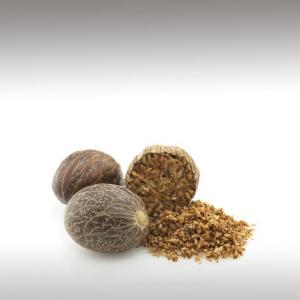
Nutmeg Essential Oil (Myristica Fragrans) ☸ Essential oils ☸ Base / General
Botanical Name: Myristica fragrans
Common Method of Extraction: Steam distillation
Part Typically Used: Dried seeds
Color: Light yellow
Consistency: Thin
Perfumery Note: Middle
Strength of Initial Aroma: Rich, sweet, woody, sharp, spicy and rather musky in aroma.
Nutmeg is one of the two spices - the other being mace - derived from several species of tree in the genus Myristica. The most important commercial species is Myristica Fragrans, an evergreen tree indigenous to the Banda Islands in the Moluccas (or Spice Islands) of Indonesia. In Indonesia Nutmeg knows in "Pala" name.
When the oil is made from the husks it produces mace. The true Myristica Fragrans essential oil is the oil extracted from the seeds, pure Nutmeg oil.
The common or fragrant Nutmeg, Myristica Fragrans, is native to the Banda Islands in the Moluccas, Indonesia. It is also cultivated on Penang Island in Malaysia, in the Caribbean, especially in Grenada, and in Kerala, a state in southern India.
Nutmeg is the seed of the tree, roughly egg - shaped and about 20 to 30 mm long and 15 to 18 mm wide, and weighing between 5 and 10 g dried, while mace is the dried "lacy" reddish covering or aril of the seed.
The first harvest of Nutmeg trees takes place 7 - 9 years after planting, and the trees reach full production after twenty years. Nutmeg is usually used in powdered form.
Nutmeg was known as a valuable commodity by Muslim sailors from the port of Basra (including the fictional character Sinbad the Sailor in the One Thousand and One Nights). Nutmeg was traded by Arabs during the Middle Ages and sold to the Venetians for high prices, but the traders did not divulge the exact location of their source in the profitable Indian Ocean trade, and no European was able to deduce its location.
The Dutch waged a bloody war, including massacring and enslaving the inhabitants of the islandof Banda, to control nutmeg production in the East Indies in 1621.
The trade in Nutmeg later became dominated by the Dutch in the 17th century. The English and Dutch,through their competing East India and Dutch East India Companies, engaged in prolonged struggles to gain control of Run Island.
As a result of the Dutch interregnum during the Napoleonic Wars, the British took temporary control of the Banda Islands from the Dutch and transplanted Nutmeg trees, complete with soil, to Sri Lanka, Penang, Bencoolen, and Singapore. From these locations they were transplanted to their other colonial holdings elsewhere, notably Zanzibar and Grenada.
The national flag of Grenada, adopted in 1974, shows a stylised split-open Nutmeg fruit. The Dutch retained control of the spice islands until World War II.
Chemical structure:
Myristicin in the essential oil is actually not the agent responsible for the hallucinogenic properties of Nutmeg oil, the chemical known as Elemicin is a non-toxic, relatively safe psychoactive similar to Mescaline.
In low doses, Nutmeg produces no noticeable physiological or neurological response, but in large doses, raw Nutmeg has psychoactive effects. Mace oil has a higher concentration ofmyristicin than normal Nutmeg oil.
Essential oil volatile fraction typically contains 60-80% d-camphene by weight, as well as quantities of d-pinene, limonene, d-borneol, l-terpineol, geraniol, safrole, and myristicin. In its pure form, myristicin is a toxin, and consumption of excessive amounts of Nutmeg can result inmyristicinpoisoning.
Common Method of Extraction: Steam distillation
Part Typically Used: Dried seeds
Color: Light yellow
Consistency: Thin
Perfumery Note: Middle
Strength of Initial Aroma: Rich, sweet, woody, sharp, spicy and rather musky in aroma.
Nutmeg is one of the two spices - the other being mace - derived from several species of tree in the genus Myristica. The most important commercial species is Myristica Fragrans, an evergreen tree indigenous to the Banda Islands in the Moluccas (or Spice Islands) of Indonesia. In Indonesia Nutmeg knows in "Pala" name.
When the oil is made from the husks it produces mace. The true Myristica Fragrans essential oil is the oil extracted from the seeds, pure Nutmeg oil.
The common or fragrant Nutmeg, Myristica Fragrans, is native to the Banda Islands in the Moluccas, Indonesia. It is also cultivated on Penang Island in Malaysia, in the Caribbean, especially in Grenada, and in Kerala, a state in southern India.
Nutmeg is the seed of the tree, roughly egg - shaped and about 20 to 30 mm long and 15 to 18 mm wide, and weighing between 5 and 10 g dried, while mace is the dried "lacy" reddish covering or aril of the seed.
The first harvest of Nutmeg trees takes place 7 - 9 years after planting, and the trees reach full production after twenty years. Nutmeg is usually used in powdered form.
Nutmeg was known as a valuable commodity by Muslim sailors from the port of Basra (including the fictional character Sinbad the Sailor in the One Thousand and One Nights). Nutmeg was traded by Arabs during the Middle Ages and sold to the Venetians for high prices, but the traders did not divulge the exact location of their source in the profitable Indian Ocean trade, and no European was able to deduce its location.
The Dutch waged a bloody war, including massacring and enslaving the inhabitants of the islandof Banda, to control nutmeg production in the East Indies in 1621.
The trade in Nutmeg later became dominated by the Dutch in the 17th century. The English and Dutch,through their competing East India and Dutch East India Companies, engaged in prolonged struggles to gain control of Run Island.
As a result of the Dutch interregnum during the Napoleonic Wars, the British took temporary control of the Banda Islands from the Dutch and transplanted Nutmeg trees, complete with soil, to Sri Lanka, Penang, Bencoolen, and Singapore. From these locations they were transplanted to their other colonial holdings elsewhere, notably Zanzibar and Grenada.
The national flag of Grenada, adopted in 1974, shows a stylised split-open Nutmeg fruit. The Dutch retained control of the spice islands until World War II.
Chemical structure:
Myristicin in the essential oil is actually not the agent responsible for the hallucinogenic properties of Nutmeg oil, the chemical known as Elemicin is a non-toxic, relatively safe psychoactive similar to Mescaline.
In low doses, Nutmeg produces no noticeable physiological or neurological response, but in large doses, raw Nutmeg has psychoactive effects. Mace oil has a higher concentration ofmyristicin than normal Nutmeg oil.
Essential oil volatile fraction typically contains 60-80% d-camphene by weight, as well as quantities of d-pinene, limonene, d-borneol, l-terpineol, geraniol, safrole, and myristicin. In its pure form, myristicin is a toxin, and consumption of excessive amounts of Nutmeg can result inmyristicinpoisoning.
Submitted by OperaDreamhouse (April 15, 2015)
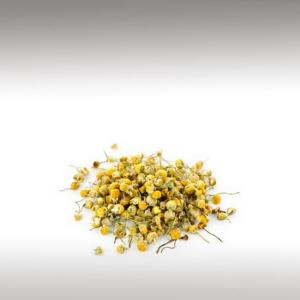
German Chamomile Essential Oil (Matricaria Recutita) ☸ Essential oils ☸ Base / General
Botanical Name: Matricaria recutita
Common Method of Extraction: Steam distillation
Part Typically Used: Flowers
Color: Dark blue
Consistency: Thin
Perfumery Note: Middle
Strength of Initial Aroma: Sweet, fruity, herbaceous.
Matricaria Chamomilla (Matricaria Recutita), commonly known as Chamomile (also spelled Camomile), German Chamomile, Hungarian Chamomile (Kamilla), Wild Chamomile or Scented Mayweed,is an annual plant of the composite family Asteraceae. Matricaria Chamomilla is the most popular source of the herbal product Chamomile, although other species are also used as Chamomile.
The word Chamomile comes from the Greek "Chamaimēlon" meaning "Earth-Apple", which is derived from "Chamai" meaning "On the ground" and "Mēlon" meaning "Apple". It is so called because of the apple - like scent of the plant.
Matricaria Chamomilla has a branched, erect and smooth stem, which grows to a height of 15 - 60 cm. The long and narrow leaves are pinnate and tripinnate. The flowers are borne in paniculata flower heads (Capitulo). The white ray florets are furnished with a ligule, while the disc florets are yellow. The hollow receptacle is swollen and lacks scales. The flowers bloom in early to midsummer, and have a strong, aromatic smell. it will live more than two years.
Matricaria Chamomilla can be found near populated areas all over Europe and temperate Asia, and it has been widely introduced in temperate North America and Australia. It often grows near roads, around landfills, and in cultivated fields as a weed, because the seeds require open soil to survive. German Chamomile will tolerate many soils, but prefers a sandy, well-drained soil with a pH of 7,0 - 7,5 and full sun.
German Chamomile (Matricaria Recutita) essential oil is derived from a flowering medicinal plant that has truly stood the test of time, with over 2,000 years of documented medical use.
Chamomile essential oil is extracted from the blossom (flowers) of the plant. To extract oil from the plants, most manufacturers use steam distillation. The flowers are placed in a still, where hot steam is then applied. The steam - which must be hot enough to penetrate the plant without burning it - forces the essential oil out of the plant so it can be collected independently. German Chamomile flowers yield only 0.2–0.4% essential oil.
Chemical structure:
Chamomile blue refers to chamazulene, the purified, deep-blue essential oil derived using steam distillation, rather than the plant itself.
Common Method of Extraction: Steam distillation
Part Typically Used: Flowers
Color: Dark blue
Consistency: Thin
Perfumery Note: Middle
Strength of Initial Aroma: Sweet, fruity, herbaceous.
Matricaria Chamomilla (Matricaria Recutita), commonly known as Chamomile (also spelled Camomile), German Chamomile, Hungarian Chamomile (Kamilla), Wild Chamomile or Scented Mayweed,is an annual plant of the composite family Asteraceae. Matricaria Chamomilla is the most popular source of the herbal product Chamomile, although other species are also used as Chamomile.
The word Chamomile comes from the Greek "Chamaimēlon" meaning "Earth-Apple", which is derived from "Chamai" meaning "On the ground" and "Mēlon" meaning "Apple". It is so called because of the apple - like scent of the plant.
Matricaria Chamomilla has a branched, erect and smooth stem, which grows to a height of 15 - 60 cm. The long and narrow leaves are pinnate and tripinnate. The flowers are borne in paniculata flower heads (Capitulo). The white ray florets are furnished with a ligule, while the disc florets are yellow. The hollow receptacle is swollen and lacks scales. The flowers bloom in early to midsummer, and have a strong, aromatic smell. it will live more than two years.
Matricaria Chamomilla can be found near populated areas all over Europe and temperate Asia, and it has been widely introduced in temperate North America and Australia. It often grows near roads, around landfills, and in cultivated fields as a weed, because the seeds require open soil to survive. German Chamomile will tolerate many soils, but prefers a sandy, well-drained soil with a pH of 7,0 - 7,5 and full sun.
German Chamomile (Matricaria Recutita) essential oil is derived from a flowering medicinal plant that has truly stood the test of time, with over 2,000 years of documented medical use.
Chamomile essential oil is extracted from the blossom (flowers) of the plant. To extract oil from the plants, most manufacturers use steam distillation. The flowers are placed in a still, where hot steam is then applied. The steam - which must be hot enough to penetrate the plant without burning it - forces the essential oil out of the plant so it can be collected independently. German Chamomile flowers yield only 0.2–0.4% essential oil.
Chemical structure:
Chamomile blue refers to chamazulene, the purified, deep-blue essential oil derived using steam distillation, rather than the plant itself.
Submitted by OperaDreamhouse (April 15, 2015)
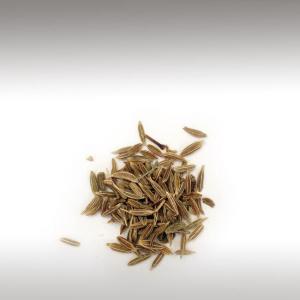
Carrot Seed Essential Oil (Daucus Carota) ☸ Essential oils ☸ Base / General
Botanical Name: Daucus carota
Common Method of Extraction: Steam distillation
Part Typically Used: Dried seeds
Color: Yellow, amber-coloured to pale orange-brown
Consistency: Thin
Perfumery Note: Base
Strength of Initial Aroma: Slightly sweet, woody, dry and earthy aroma.
Daucus carota, whose common names include wild carrot, bird's nest, bishop's lace. Carrot seed oil is extracted from Daucus carota of the Apiaceae family and is also known as wild carrot and Queen Anne's lace, native to temperate regions of Europe, southwest Asia and naturalized to North America and Australia.
The wild carrot is a herbaceous, somewhat variable biennial plant that grows between 30 and 60 centimetres tall, roughly hairy, with a stiff solid stem. The leaves are tri-pinnate, finely divided and lacy, overall triangular in shape. The flowers are small and dull white, clustered in flat, dense umbels.
The wild carrot seeds collecting in July - August, when the umbels have closed upon the seeds and the seeds have ripened and dried inside their shelter.
Collection is time consuming, since the plants are spread, ripen individually one by one and the heads are cut one by one. It takes many visits to the Daucus populations to complete collection for a distillation. Steam distillation the heads for at least 6 hours, and the oil has a deep, lasting sweet smell with flowery undertones.
As the seeds develop, the umbel curls up at the edges, becomes more congested, and develops a concave surface. The fruits are oval and flattened, with short styles and hooked spines. The dried umbels detach from the plant, becoming tumbleweeds.
The name is derived from the Greek "Carotos" and it had great medicinal value in ancient times, especially for its carminative properties. Daucus is from the Greek word (THAV-kon) meaning carrot parsnip and other similar food plants. Carota is from the Greek Καρότον ka-ROW-ton, also meaning carrot is from the Indo European word Ker, meaning head or horn. Pusillus is Latin for tiny or puny.
Chemical structure:
The main constituent of this oil is carotol. It is one of the primary components found in carrot seed oil comprising approximately 40% of this essential oil. Additionally, studies have shown that carotol may be involved in allelopathic interactions expressing activity as an antifungal, herbicidal and insecticidal agent.
essential oil very stable, should be good for two years or more, although some reduction in aroma intensity will be evident before that time.
The main chemical constituents of carrot seed oil include a-pinene, camphene, b-pinene, sabinene, myrcene, y-terpinene, limonene, b-bisabolene, geranyl acetate.
Common Method of Extraction: Steam distillation
Part Typically Used: Dried seeds
Color: Yellow, amber-coloured to pale orange-brown
Consistency: Thin
Perfumery Note: Base
Strength of Initial Aroma: Slightly sweet, woody, dry and earthy aroma.
Daucus carota, whose common names include wild carrot, bird's nest, bishop's lace. Carrot seed oil is extracted from Daucus carota of the Apiaceae family and is also known as wild carrot and Queen Anne's lace, native to temperate regions of Europe, southwest Asia and naturalized to North America and Australia.
The wild carrot is a herbaceous, somewhat variable biennial plant that grows between 30 and 60 centimetres tall, roughly hairy, with a stiff solid stem. The leaves are tri-pinnate, finely divided and lacy, overall triangular in shape. The flowers are small and dull white, clustered in flat, dense umbels.
The wild carrot seeds collecting in July - August, when the umbels have closed upon the seeds and the seeds have ripened and dried inside their shelter.
Collection is time consuming, since the plants are spread, ripen individually one by one and the heads are cut one by one. It takes many visits to the Daucus populations to complete collection for a distillation. Steam distillation the heads for at least 6 hours, and the oil has a deep, lasting sweet smell with flowery undertones.
As the seeds develop, the umbel curls up at the edges, becomes more congested, and develops a concave surface. The fruits are oval and flattened, with short styles and hooked spines. The dried umbels detach from the plant, becoming tumbleweeds.
The name is derived from the Greek "Carotos" and it had great medicinal value in ancient times, especially for its carminative properties. Daucus is from the Greek word (THAV-kon) meaning carrot parsnip and other similar food plants. Carota is from the Greek Καρότον ka-ROW-ton, also meaning carrot is from the Indo European word Ker, meaning head or horn. Pusillus is Latin for tiny or puny.
Chemical structure:
The main constituent of this oil is carotol. It is one of the primary components found in carrot seed oil comprising approximately 40% of this essential oil. Additionally, studies have shown that carotol may be involved in allelopathic interactions expressing activity as an antifungal, herbicidal and insecticidal agent.
essential oil very stable, should be good for two years or more, although some reduction in aroma intensity will be evident before that time.
The main chemical constituents of carrot seed oil include a-pinene, camphene, b-pinene, sabinene, myrcene, y-terpinene, limonene, b-bisabolene, geranyl acetate.
Submitted by OperaDreamhouse (April 14, 2015)
Page 25 of 48